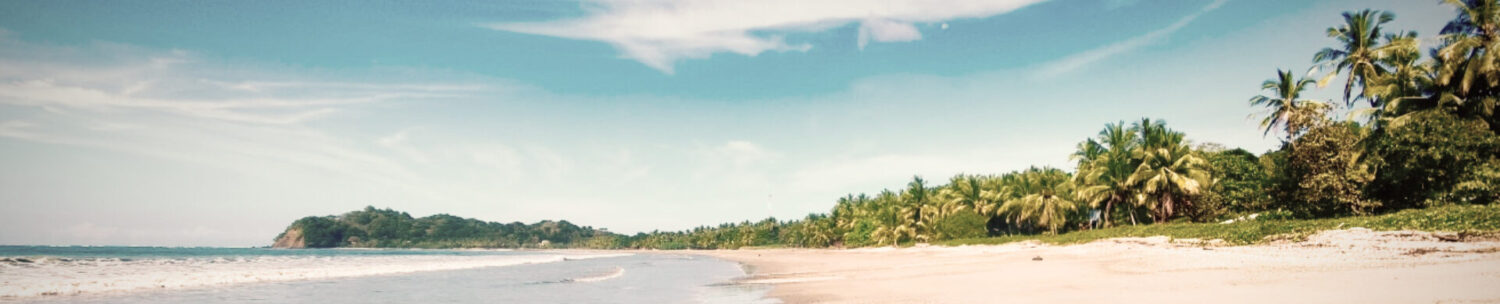
El Salvador: From the Capital to the Coast
El Salvador wasn’t a country I had planned in detail. It was one of those places that slowly made its way onto my route through Central America—recommended by other travellers, praised online for volcano hikes and surf breaks, and described as a destination that’s changing fast. What I didn’t expect was how divided my experience would feel: moments of frustration and waiting, followed by views that made it all worth it, and days that ended barefoot by the ocean. This was El Salvador through my eyes—unpolished, honest, and full of contrast.
Arrival in San Salvador
I arrived in El Salvador late in the afternoon after what felt like an endless journey. The route took me from León to Managua Airport by shuttle, then a flight to San Salvador, followed by another shuttle to my accommodation. All up, the trip took close to 12 hours, and by the time I arrived, I was completely exhausted and ready to sleep.
I planned to spend five nights (four full days) in San Salvador before heading south. The shuttle from the airport cost $65 USD, which I later realised was far from the cheapest option. Uber averages around $35 USD, and I’d definitely recommend using that instead. I assumed the shuttle would be more affordable—clearly not.
I stayed at Andoria Hotel, paying $247 USD including breakfast. It’s one of the more expensive places I’ve stayed, but for a capital city and such a central location, the price felt more than reasonable.
First Impressions of the Capital
After a long travel day, I gave myself one full day to slow down, catch my breath, and plan the rest of my trip. I went for a morning walk through San Salvador’s historic centre. It was a pleasant walk, but to be honest, there isn’t a huge amount to see. I spent the afternoon mapping out the next few days and deciding which activities were worth my time.
Two experiences kept coming up on almost every travel website: Ruta de las Flores and the Santa Ana Volcano hike. I decided to start with Ruta de las Flores and booked a tour for the following day.


Ruta de las Flores – Not Quite the Highlight
There are plenty of agencies offering different versions of the Ruta de las Flores tour, so it’s easy to book once you arrive. I used the Get Away Guide app and had no trouble booking at the last minute.
Unfortunately, this was the biggest disappointment of my time in El Salvador. While the towns themselves are nice, the tour felt rushed and inflexible. We spent far more time in the car than actually exploring, with only about 20 minutes in each town—barely enough to look around, let alone enjoy them properly.
The group was very small, just me and Caitlin, which was actually lovely. One part of the tour included a coffee tasting. As someone who doesn’t drink coffee, this didn’t do much for me, and even objectively it felt underwhelming—just two different types of coffee. For $100 USD, it simply didn’t feel worth it.
And despite the name, don’t expect to see flowers. We were told the name comes from the coffee plantations in the area. Since this isn’t El Salvador’s main coffee-producing region, the government opted for the more poetic “Ruta de las Flores” instead of calling it a coffee route.


Exploring San Salvador & Santa Ana Volcano
The next day, I explored a bit more of San Salvador on foot, saving my energy for the Santa Ana Volcano hike. This turned out to be a much better experience, although the organisation left a lot to be desired. What were the chances that Caitlin—who I met while exploring the Ruta de las Flores—would be doing the same hike on the same day? I was so happy to see a familiar face; it instantly made the whole experience even better.
There was a fair amount of waiting—first for the park to open, and then for the official guide provided by the park. Once inside, visitors are grouped together, meaning you hike in a group of around 15 people. This results in frequent stops and breaks, which can be frustrating. That said, the hike itself was genuinely enjoyable, and once we reached the summit, the views made all the waiting worthwhile. At the top, you can even buy ice cream or frozen chocolate-covered bananas, which was a very welcome treat after the climb. On the way down, visitors can either hike all the way back or take a car for the final section. I was surprised by how many people opted for the car—only a few of us chose to walk the entire way back.After returning to the park entrance, we had a short break before heading to lunch by the lake. We arrived around 4 pm, making it a very late lunch, but the setting was beautiful and worth the wait.
One important tip: double-check the language of your tour. I accidentally booked a Spanish-speaking tour, which came with a few challenges. Still, with a mix of broken English and Spanish, we managed just fine.


Heading South to El Tunco/ El Sunzal
My next stop was El Tunco, and I decided to take an Uber for $29 USD—money very well spent. I booked a surf camp with La Ola at El Sunzal La Libertad. By the time I started looking, all of their accommodation options were fully booked until April. Luckily, they still offer their weekly surf package without accommodation, allowing you to arrange your own stay nearby.
The manager recommended a few places close to the camp, and I chose El Viajero Hotel. While the hotel itself was nice, it was fairly expensive and the service was disappointing. There was no daily room cleaning, and when I asked about it, the receptionist seemed annoyed. Reception was often unattended, which made things unnecessarily difficult. But the location was very convenient, as the hotel was only a few minutes of a walking distance to the camp.


Life at La Ola Surf Camp
The La Ola surf camp package included breakfast, lunch, and three dinners at the camp. The surf lessons were one-on-one, which I absolutely loved. Having the same instructor throughout the week provided consistency and helped build a better connection. If you’re not happy with your instructor, you can request a change. Another great option at La Ola was the photo and video package for $140 USD. You could purchase a package that included three days of photos taken from the shore and two days from the water. For an additional $20 USD, you could also get video footage from one day, which you’d then review with your instructor. I found this incredibly useful. Watching yourself surf is definitely humbling, but it also offers a lot of self-reflection and constructive feedback. Being able to go through the footage together made it much easier to see what I needed to improve and helped me progress faster than I would have otherwise. As part of the weekly package, you can join yoga classes three times a week at no additional cost. For an extra fee, La Ola also offers ice baths, massages, and chiropractic appointments. They even organise optional trips at better prices than most agencies. I joined the Tamanique Waterfalls afternoon trip, which cost $40 USD and was a great addition to the week. There was also an option to do the Santa Ana Volcano hike again, but since I had already done it, I chose to enjoy a relaxed day at the camp instead.
The food was one of the highlights of my stay. Breakfasts were amazing, with plenty of healthy options, and lunches were just as good. On evenings when dinner wasn’t provided at the camp, the hosts organised group dinners at local restaurants in town, which was a great way to socialise. We went to a Mexican place called Jungle, Bao House Playa El Tunco and La Esquina La Comadre which is famous for its fish ceviche. For food, Captain Cook Restaurant is absolutely worth a visit. They serve beautiful, fresh seafood dishes and it’s the perfect spot for a relaxed dinner, especially after a long day in the water.
My surf instructor was Jonathan, and I honestly couldn’t have asked for a better coach. He was incredibly kind, endlessly patient, and always made the sessions fun. Even on tougher days in the water, we laughed a lot, which made the learning process so much easier. My lessons were always at 8:00 in the morning, which suited me perfectly since I much prefer early-morning surfing. Compared to Maderas Beach, the break here was definitely more crowded, but despite that, I still had plenty of opportunities to catch waves and work on improving my technique. After the morning surf, I usually spent my time either relaxing by the infinity pool or staying on the beach, working on my tan and soaking up the laid-back atmosphere. Lunch was served at 12:30 pm, and after that, most days were free—giving everyone time to rest, explore, or just do nothing at all.
I do have to say that I found it a little harder to connect with people at first. Everyone seemed to be doing their own thing, and I’m not sure whether that came down to the group dynamics or the fact that I was staying at a different place. It took a bit of time to find my people. Eventually, though, I became very close with Alvin, Christin, and Rob, and the last few days completely made up for the slow start. We had so much fun together—especially exploring El Tunco’s nightlife, which added a whole new layer to the experience and created some really great memories. El Tunco might be small, but it definitely knows how to deliver when it comes to nightlife and food. Some of my favourite spots were La Bonita Beach Club and Kako’s Gastrobar—both great places to start (or end) a night with good music, drinks, and an easygoing vibe. There’s also a hidden gem that serves shots of infused rum and tequila, and it’s every bit as dangerous as it sounds. I tried the habanero tequila, which definitely burned, but there were plenty of other flavours to choose from, including coconut, cinnamon, coffee, jalapeño, and ginger. At just $3 USD per shot, it’s very easy to get carried away.
Overall, my experience at La Ola Surf Camp was a very positive one. The quality of the surf coaching, especially the one-on-one lessons, stood out the most and made a real difference in my progress. The food was consistently excellent, the schedule well balanced between activity and downtime, and the extra options like yoga, trips, and photo and video packages added a lot of value. While it took a little time to fully connect with people, the friendships I did form ended up being some of the highlights of my stay. If you’re looking for a surf camp that focuses on personal improvement while still offering a relaxed, social atmosphere, La Ola is a great choice.
If you’re not interested in committing to a full surf camp, I’d highly recommend stopping by at Slow Motion Surf School, located right next to La Ola. They offer a good selection of boards for rent and also provide single surf lessons, making it a great option if you’re after flexibility while still wanting quality instruction. You can literally grab a board and walk straight onto the beach and into the water, which makes everything easy and hassle-free.


El Salvador surprised me—not always in the ways I expected. Some experiences felt rushed and poorly organised, while others delivered exactly what I had hoped for. The country isn’t about ticking off perfectly curated highlights; it’s about moments that land unexpectedly—standing on top of a volcano with ice cream in hand, or ending a long day sharing food with new friends by the ocean.
Would I recommend El Salvador? Yes—but with realistic expectations. Do your research, choose your tours carefully, and leave room for flexibility. The rewards might not always come easily, but when they do, they’re absolutely worth it.

