The Ultimate Guatemala Travel Guide: Antigua, Atitlán, Tikal & More
Guatemala is the kind of place that stays with you long after you’ve left. From the stillness of Lake Atitlán to the raw, almost surreal power of Acatenango Volcano, every moment feels vivid, intense, and unexpectedly beautiful. It’s a country where colours seem brighter, where the air feels heavier with stories, and where even the smallest, most ordinary moments somehow become the ones you remember the most.
It’s in the quiet mornings by the lake, when everything feels still and untouched. It’s in the rhythm of footsteps echoing through the cobblestone streets of Antigua Guatemala, surrounded by pastel walls and distant volcano views. It’s in the feeling of standing above the clouds, watching the sky shift colours as another day comes to an end. Guatemala doesn’t just offer beautiful places—it invites you to slow down and actually feel them.
But what makes it unforgettable isn’t just the landscapes. It’s the contrasts. The shift from peaceful lake towns to lively backpacker hubs, from cool mountain air to the heat of the coast, from carefully planned days to completely unexpected moments. One day you’re hiking above the clouds, the next you’re swimming in hidden pools in the middle of the jungle, and somehow it all fits together effortlessly.
And then there are the moments you could never plan—the conversations with strangers who quickly become friends, the small local spots you almost didn’t find, the feeling of being completely present without even trying. Guatemala has a way of surprising you like that. It’s not just a destination you visit; it’s a place you experience, slowly and deeply, until it quietly becomes a part of you.
Antigua (the 1st time)
Antigua Guatemala is a charming colonial city in Guatemala, known for its colourful buildings, cobblestone streets, and surrounding volcanoes like Acatenango and Volcán de Fuego. A UNESCO World Heritage Site, it offers a mix of history, culture, and adventure, with highlights like the iconic Santa Catalina Arch. Compact and easy to explore on foot, it’s a perfect base for cafés, markets, and volcano hikes.
Highlights:
• Santa Catalina Arch photo spot
• Volcano hikes (especially Acatenango overnight)
• Cute cafés & rooftop bars
• Spanish schools & cultural experiences
• Easy to explore on foot
Arriving in Guatemala felt almost too easy. The border crossing from El Salvador was quick, smooth, and completely stress-free — the kind of travel moment you don’t fully appreciate until you’ve experienced the opposite. I arrived early in Antigua Guatemala, slightly disoriented from the early start but immediately aware of one thing — it was cold. After two weeks in the sticky heat of El Tunco, the crisp air felt refreshing, almost comforting. Since Katie and her friend weren’t arriving until the evening, I had the whole day to myself. I wandered through Antigua’s cobblestone streets, taking in the colourful facades and slowly easing into the rhythm of the city.
That evening, we reunited over dinner at El Bowl — exactly what we needed. Fresh, healthy, and full of flavour. Afterwards, we stopped by No Sé for a drink. The atmosphere was effortless — dim lights, good music, the kind of place you could easily lose track of time in. Still, we called it a night early, knowing an early shuttle awaited us the next morning. Quietly, I also noticed how nice it felt not to be alone for once — after months of solo travel, sharing the experience again felt grounding.


Lake Atitlán
Lake Atitlán is one of the most beautiful destinations in Guatemala, surrounded by dramatic volcanoes like Volcán San Pedro, Volcán Atitlán, and Volcán Tolimán. The lake is dotted with charming villages such as San Pedro La Laguna and Panajachel, each offering a unique vibe—from backpacker energy to relaxed lakeside retreats. It’s perfect for kayaking, hiking, cultural experiences, and soaking in breathtaking views.
Highlights:
• Breathtaking lake + volcano views
• Village hopping by boat
• Kayaking & swimming
• Yoga, wellness & chill vibes
• Sunrise hikes (e.g. Volcán San Pedro)
The next morning, we made our way to Lake Atitlán, a place that somehow manages to exceed expectations. Surrounded by volcanoes and scattered with small towns, each with its own personality, it’s the kind of destination where time naturally slows down.
We started in Santa Cruz La Laguna, where life instantly slowed down and everything felt calm, quiet, and unhurried. Tucked away from the busier parts of the lake, it had this peaceful energy that made it easy to switch off and just be present. We were staying at La Iguana Perdida, a well-known hostel famous for its communal dinners—three courses served family-style, where strangers gather around long tables and, by the end of the night, feel more like friends. It wasn’t just about the food (which was always amazing), but the atmosphere—stories being shared, travel tips exchanged, and that familiar backpacker sense of connection.
Our days there were beautifully simple. Mornings started slowly, often with coffee by the lake, followed by swims in the clear, refreshing water. Afternoons were spent reading, sunbathing, or heading over to Free Cerveza Hostel, which quickly became one of our favourite spots. Sitting right on the water, drink in hand, watching boats come and go—it was the kind of place where hours passed without you even noticing.
From there, we moved to San Pedro La Laguna, and the shift in energy was immediate. It felt like stepping into a completely different world. Suddenly everything was louder, busier, and full of movement. Backpackers everywhere, music spilling out of bars, cheap eats on every corner—it had that chaotic, social energy where nights easily blur into mornings. It was fun, vibrant, and a great place to meet people, but after a while, it made me appreciate the slower pace of the lake even more.
But it was San Marcos La Laguna that really stayed with me. There’s something about it that’s hard to explain—slower, softer, almost dreamlike. It felt like a place designed for pause. Yoga studios tucked between trees, signs for meditation and healing everywhere, and a general sense that time doesn’t quite work the same way there. We spent the day at Reserva Natural Cerro Tzankujil, swimming in crystal-clear water and watching people leap from cliffs into the lake below. It felt raw and free in the best way.
Later, we made our way to a yoga class at Eagle’s Nest Atitlán, and honestly, the view alone made the entire experience unforgettable. Practicing yoga while overlooking the lake, surrounded by volcanoes and endless sky—it was one of those moments where everything just felt aligned.
We also visited San Juan La Laguna, which offered yet another completely different perspective of the lake. Quieter, more traditional, and deeply rooted in local culture, it felt authentic in a way that contrasted with the more touristy towns. Colourful murals lined the streets, small art galleries and weaving cooperatives showcased local craftsmanship, and the pace of life felt grounded in community rather than tourism.
What made Lake Atitlán so special wasn’t just its beauty—it was the contrast between each place. Every town had its own personality, its own rhythm, its own way of being. And moving between them felt like experiencing multiple destinations in one, each leaving its own impression in a completely different way.
Getting around the lake became part of the experience itself. Taxi boats bouncing across the water, wind in your face, sun reflecting off the surface — it felt freeing. Public water taxis (lanchas) at Lake Atitlán generally cost between Q10 and Q30 ($1.30–$4 USD) per person for shared rides, depending on the distance, with popular routes like Panajachel to San Pedro usually costing Q25–Q30. Services run daily, roughly from 6:30 a.m. to 7:30 p.m The one time we took a tuk-tuk instead was chaotic in the best way possible, loud music blasting as we sped through narrow streets. It genuinely felt like stepping into a scene from Harry Potter with the crazy bus driver getting through streets in London— slightly out of control, but somehow working.


El Paredon
A laid-back surf town on Guatemala’s Pacific coast, known for its black sand beaches, powerful waves, and relaxed backpacker vibe. It’s the perfect escape from the cities, with a focus on surf, sunsets, and slow living.
Highlights:
• Surfing (great for beginners & intermediate)
• Epic Pacific coast sunsets
• Beachfront hostels & social vibe
• Turtle releases (seasonal)
• Yoga, bonfires & chill atmosphere
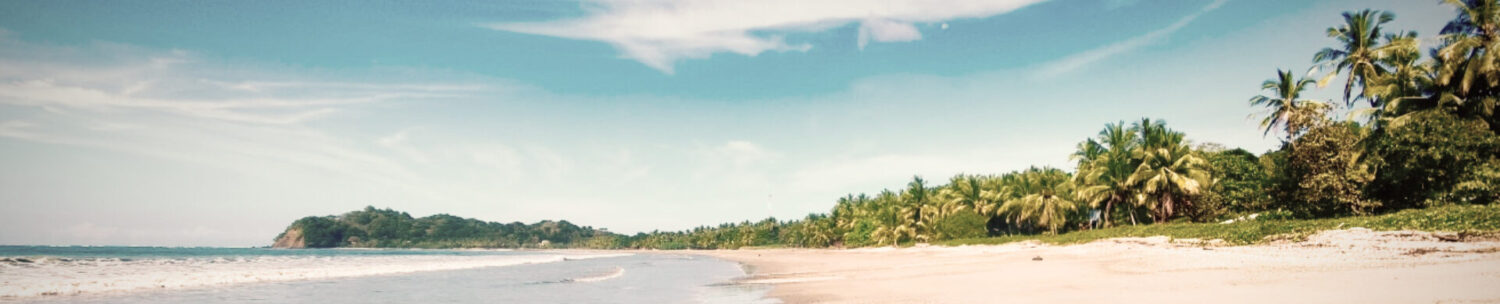
After five days by the lake, we traded volcano views for the black sand beaches of El Paredón, and the shift in pace was immediate. Everything slowed down in a completely different way. Life here revolved around the ocean—slow mornings with coffee, long sun-soaked afternoons, and that constant sound of waves in the background. The air felt heavier, saltier, and somehow calmer.
We stayed at Cocori Lodge, one of the most social and well-known spots in town. It didn’t take long for the days to start blending into each other in the best possible way. There was no real schedule, no pressure to do anything—just waking up when the heat crept in, grabbing breakfast, and heading straight to the beach.
Surfing quickly became the highlight of our time there. The waves were consistent, rolling in one after another, and the beach break made it perfect for beginners and intermediates. I got a recommendation from my host for a local instructor, and for 170Q you’d get a private lesson with a board included. What I loved most was how relaxed everything felt—there was no strict timekeeping. Even though the lesson was meant to be an hour, we usually stayed in the water for at least an hour and a half, just riding waves, wiping out, laughing, and trying again. For once, everything just seemed to click, and I found myself genuinely enjoying every second in the water.
In between surf sessions, we basically ate our way through town. Breakfasts at Cafecito del Mar became a bit of a ritual—good coffee, fresh food, and a slow start to the day. For dinner, we kept going back to Delicias del Mar, a simple local spot with generous portions and prices that almost didn’t make sense. And for those afternoon cravings, La Patisserie was the perfect stop for pastries and another coffee fix.
Evenings had their own kind of magic. As the sun set over the Pacific, everything softened—the light, the energy, the pace. One night, we joined a spontaneous salsa class at Cocori, and it turned into one of those moments where everyone just lets go. No pressure, no expectations—just music, laughter, and people dancing like no one was watching.
And then there were the completely unexpected moments—the kind you couldn’t plan even if you tried. At one point, the hostel staff asked if we wanted to “model” for their social media content in exchange for free lunch. Of course, we said yes. What followed was a mix of posing, laughing, and not taking anything too seriously—one of those random, slightly chaotic travel experiences that somehow ends up being a highlight.
El Paredón wasn’t about ticking off activities or rushing from one place to another. It was about slowing down, being present, and letting the days unfold naturally. And somewhere between the surf, the sunsets, and those unplanned moments, it became one of the places I didn’t want to leave


Antigua (the 2nd time)
Eventually, I returned to Antigua Guatemala alone again. This time, the city felt familiar. I stayed at Casa Leon and spent a few days doing very little — wandering, eating, and enjoying the routine I had unknowingly built. I kept going back to My Vietnamese Kitchen, ordering the same pho every day until I didn’t even need to speak. There’s something comforting about becoming a “regular” somewhere, even temporarily.
I also discovered Cafe Picasso, a tiny spot with just a few tables, incredible pasta, and unexpected little touches — complimentary sides, homemade sorbet, even chilled wine to go. And on my last night, La Casa de las Sopas delivered exactly what the name promised: generous, comforting bowls of soup in a buzzing, local atmosphere.
This was also when I finally took on the challenge of hiking Acatenango Volcano and witnessing the raw power of Volcán de Fuego. It’s one of those experiences you hear about long before you arrive in Guatemala—and one that quickly becomes non-negotiable once you’re there.
The hike itself was no joke. Steep, relentless, and at times physically exhausting, it pushed me more than I expected. The higher we climbed, the colder it got, and with the unpredictable mountain weather constantly shifting, it felt like every step came with a new challenge. There were moments where it was tough to keep going, where the altitude hit, the wind picked up, and the thought of turning back crossed my mind more than once. But then came the reward. Standing above the clouds, watching Volcán de Fuego erupt in the distance—glowing lava lighting up the night sky, deep rumbles echoing through the mountains—it didn’t feel real. It was one of those rare moments where everything just stops, and you’re fully present, taking in something so powerful and so raw that it stays with you long after.
What made it even more special was the people. Sharing the experience with a group of strangers who, somewhere along the way, became friends—laughing through the struggle, encouraging each other, and celebrating every small win—turned the hike into something much more than just a physical challenge.
Even with less-than-perfect weather, it was easily one of the most rewarding and unforgettable experiences of the entire trip. The kind that reminds you why you travel in the first place. (Read more about this hike: https://iwandernisa.com/where-the-earth-breathes-fire-my-acatenango-adventure/)


Lanquin
Highlights:
• Exploring Semuc Champey (turquoise limestone pools)
• Swimming in natural jungle pools
• Lush jungle landscapes & river views
• Authentic local food experiences (hidden gems)
• Unpredictable weather & off-the-grid adventures
• Peaceful, remote atmosphere perfect for slowing down
From Antigua, I made my way to Lanquín (I took the overnight shuttle bus, approximately 8hrs) , a small jungle town tucked away in Alta Verapaz, known as the gateway to Semuc Champey. Surrounded by lush greenery, rivers, and caves, it offers a more raw and adventurous side of Guatemala—perfect for nature lovers and those looking to disconnect.
The night of my arrival, the rain started. And it didn’t just rain—it poured. Thunder echoed through the valley, and by morning, it was still going strong. At that point, it felt almost certain that plans for the day would fall apart. Tours (I booked mine online via Marvelus travel for $ 37 USD) were being cancelled or limited due to safety concerns, and the usual route through the caves was no longer an option. It would have been easy to write the day off completely.
But instead of forcing it or sticking to the original plan, we decided to slow down and go with whatever the day would bring. We stayed back for a while, ordered breakfast that slowly turned into lunch, and just sat, talking, sharing stories, and waiting for the rain to pass. And eventually, it did.
With no strict plan and fewer people around, we decided to explore on our own—and it turned out to be the best decision we could have made. The usually busy pools were nearly empty, the jungle quiet after the rain, and the water unbelievably fresh and clear. There was something special about experiencing it this way—no rush, no crowds, just the sound of nature and the feeling of having discovered something hidden.
Swimming in those turquoise pools, surrounded by dense jungle, felt unreal. Time slowed down, and for a while, nothing else mattered. Even the small details stayed with me—the cool water after the heat, the stillness in the air, and yes, the tiny fish that quickly made their presence known (not exactly my favourite part, but definitely memorable ).
Later that day, back in town, we followed a local recommendation to find a place called Donde Rodin. At first, it didn’t even seem open. But after asking around in my very limited Spanish, within minutes the place was unlocked and set up just for us. It felt less like going to a restaurant and more like being invited into someone’s home. The food was simple, local, and incredibly satisfying—huge portions, full of flavour, and all for a price that almost didn’t feel real. Sitting there, watching everything being prepared right in front of us, made the experience even more special. It wasn’t planned, it wasn’t polished—but that’s exactly what made it unforgettable.
Lanquín didn’t go the way I expected at all. But somehow, it ended up being one of those places that stays with you the most—the kind where things don’t go perfectly, but turn out even better because of it.


Flores
Highlights
• Island sunsets & lake views
• Relaxed, laid-back atmosphere
• Exploring Tikal National Park
• Jungle sunrise/sunset from the temples
• Swimming in Cráter Azul (Blue Crater)
• Perfect base for nearby adventures
After Lanquin my journey continued north to Flores, a small island town that instantly felt different from anywhere else I had been in Guatemala. Surrounded by calm lake waters and connected to the mainland by a narrow causeway, it had a slower, almost peaceful energy—colourful buildings, quiet streets, and the kind of sunsets that make you pause without even realising it.
That afternoon, I took it easy, wandering along the waterfront before preparing for my sunset tour to Tikal National Park.
Visiting Tikal had been something I was really looking forward to—ancient Mayan ruins hidden deep in the jungle, with history and nature blending together in a way that feels almost surreal (I booked my tour again via GetYourGuide for $36 AUD, entry ticket to the national park was not included in the price, this can be purchased online prior the tour. You also have to pay extra for the sunset) The setting itself didn’t disappoint. Towering temples rising above the trees, the distant sound of wildlife echoing through the forest, and that golden light just before sunset—it was undeniably beautiful. Unfortunately, the experience was slightly overshadowed by a poorly organised tour. Things felt rushed, communication was lacking, and at times it took away from being able to fully appreciate the moment. Still, even with that, there were glimpses of what makes Tikal so special—those quiet seconds standing in front of something so ancient, trying to take it all in.
The following day, however, completely shifted the experience. I visited the Blue Crater, known as Cráter Azul (GetYourGuide, cost $106 AUD, lunch and underwater photos were included in that price), and it felt like stepping into a different world altogether. The water was unbelievably clear, almost glass-like, with deep shades of blue that didn’t seem real. Floating there, surrounded by nature, everything felt calm and effortless—no crowds, no rush, just pure stillness. After the long travel days, early mornings, and constant movement, it was exactly what I needed. One of those places that reminds you to slow down, breathe, and simply enjoy where you are. And just like that, Flores went from a quick stop on the itinerary to one of the most unexpectedly memorable parts of the trip.


Guatemala City
Guatemala City is often overlooked, but it offers a completely different side of the country—more urban, modern, and fast-paced compared to places like Antigua Guatemala or Lake Atitlán. While it may not have the same charm, it’s worth a short stop, especially for its food scene and local culture.
Highlights
• Dining at Flor de Lis – unique fine dining experience at the chef’s table
• Exploring Zona 4 – trendy area with cafés, restaurants & creative spaces
• Visiting museums & galleries – a deeper look into Guatemalan culture
• City views & modern vibe – a contrast to the rest of the country
• Great final stop before international travel
My very last stop in Guatemala was Guatemala City. I only had one day in there before flying out to Cancún—and to be honest, after nearly 20 hours on a bus from Belize (read more about my Belize trip here: https://iwandernisa.com/skip-belize-city-heres-where-the-real-magic-is/), I wasn’t exactly in the mood for exploring.
I arrived early in the morning, far too early to check into my hotel, so I dropped my bags and went for a slow wander around the neighbourhood. It wasn’t anything ambitious—just a quiet walk, stretching my legs, and looking for somewhere to eat. That’s when I came across Flor de Lis, and something about it instantly caught my attention. It wasn’t part of the plan—in fact, I didn’t really have one—but I knew straight away I wanted to try it. Somehow, despite booking last minute, I managed to get a seat. And not just any seat—I went for the full experience at the chef’s table. It was my first proper fine dining experience, and I didn’t really know what to expect, but it ended up being one of the most memorable moments of the entire trip. Sitting there, watching each dish come together while the chef explained the story behind it, completely changed how I experienced food. Every course felt intentional, creative, and beautifully presented. It wasn’t just about eating—it was about understanding the ingredients, the process, and the thought behind every detail. And being able to interact with the chef throughout made it feel even more personal.
In the end, even though I didn’t see much of Guatemala City itself, I left feeling like the stop was still worth it. Sometimes it’s not about how much you see, but about the one experience that makes a place stay with you—and for me, this was it.


Guatemala is one of those places that’s hard to sum up, because it’s not just one experience—it’s many, all layered into one unforgettable journey. From the colourful streets of Antigua Guatemala to the stillness of Lake Atitlán, from the challenge of hiking Acatenango Volcano to the calm of the ocean in El Paredón, every place felt completely different—yet somehow connected.
It’s a country of contrasts. One moment you’re above the clouds watching a volcano erupt, the next you’re swimming in jungle pools at Semuc Champey, or wandering through ancient ruins in Tikal National Park. The landscapes constantly shift, but what stays the same is how deeply each moment stays with you.
But more than the places, it’s the feeling. The slow mornings, the unexpected detours, the people you meet along the way, and those small, unplanned moments that end up meaning the most. Guatemala isn’t always perfect or predictable—but that’s exactly what makes it so special.
It’s the kind of trip that doesn’t just fill your camera roll—it stays with you, long after you’ve left. 🤍


